
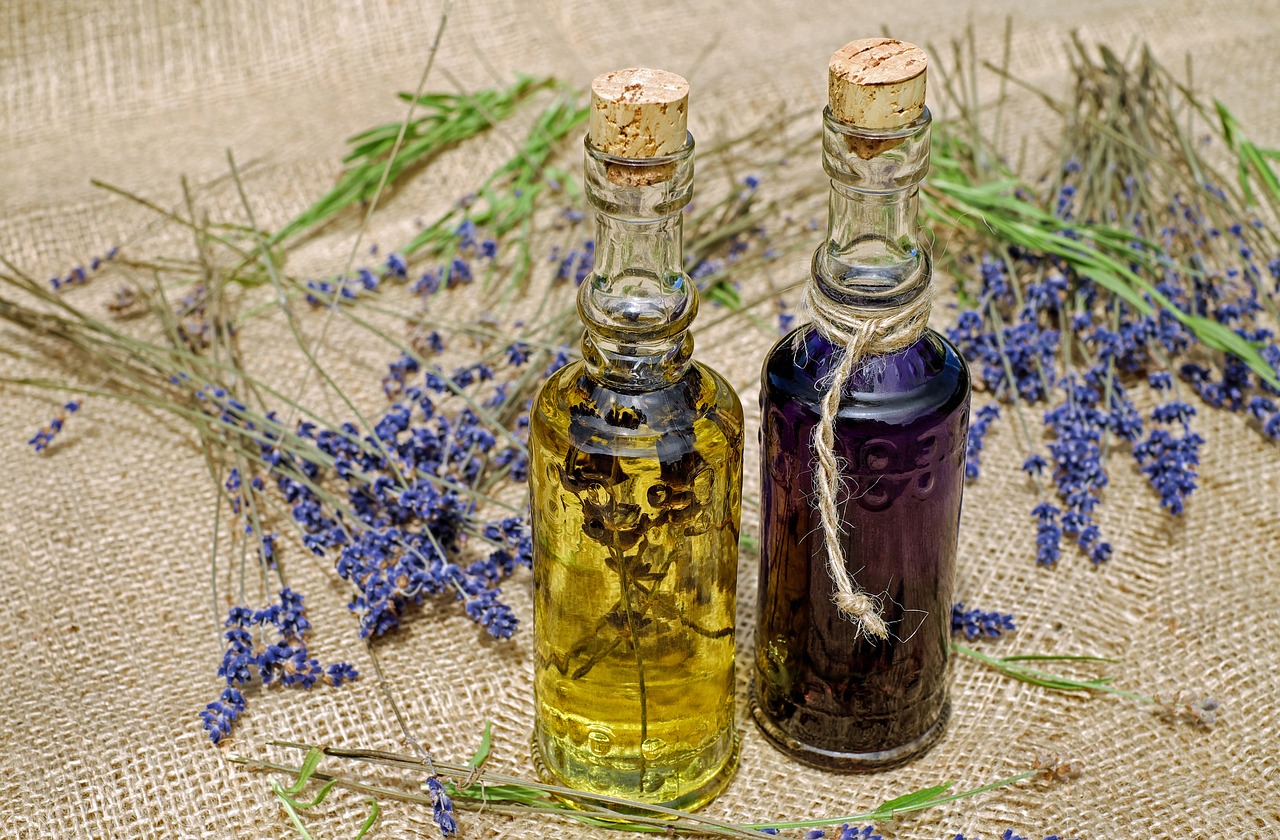
 Essential oils can be remarkably effective stress relievers. These concentrated plant extracts promote deeper breathing, stimulate the limbic system of the brain, and calm the nervous system. Essential oils can be utilized in a number of ways to ease stress: Added to a warm bath, mixed with carrier oil and massaged into the skin, applied in small drops to the feet and scalp, or diffused into the air. Knowing the oil’s properties and indications will make the application one chooses in aromatherapy the most effective.
Frankincense is an ancient oil associated with Christmas and sacred rituals. The oil has a complex aroma with notes of balsam and citrus, considered a base note in perfumery, and has many medicinal properties: antiseptic, anti-inflammatory, regenerative, and analgesic. Diffusing the oil combats airborne cold and flu germs, and will be appreciated by anyone suffering from any lung or sinus condition. Frankincense is also used for pain relief in topical applications.
A light, uplifting oil, orange is a great choice to disperse winter blues, which some experience more acutely during the holidays. Orange blends well with frankincense, and is also antiseptic, has expectorant properties for lung and sinus congestion, and benefits the digestion. It is a great oil to use in massage, as it eases fluid retention and reduces the appearance of cellulite.
Have a fake tree but love the smell of a real one? Fir needle oil can add the olfactory ambiance of a real tree when diffused, and help open the sinuses, combat germs and viruses, and relax the nerves. Mixed with carrier oils, it is also effective for relieving muscle and joint pain.
Submitted by Holly Dunbar, LMT, Herbalist

 Immunity begins within the body, and is either strengthened or weakened by what drugs, food, and herbs or supplements we ingest, as well as from outside influences and our contact with viruses. Our immune system can be greatly compromised by too much stress, which makes stress management an essential component of staying well.
 What are essential oils? What exactly is aromatherapy? We are bombarded with the phrase plastered on everything from air fresheners to scented candles, yet most products advertised as such have nothing to do with this legitimate healing art. Aromatherapy is the application of pure plant oils, called essential oils, to positively affect the health of the mind and body. Essential oils are highly concentrated substances extracted always from plants, and depending on the oil used, can have relaxing or energizing effects. Topical applications will utilize their various virtues on the physical self and these properties include: anti-inflammatory, anti-fungal, anti-viral and anti-bacterial, immune enhancing properties, and cell regenerating effects.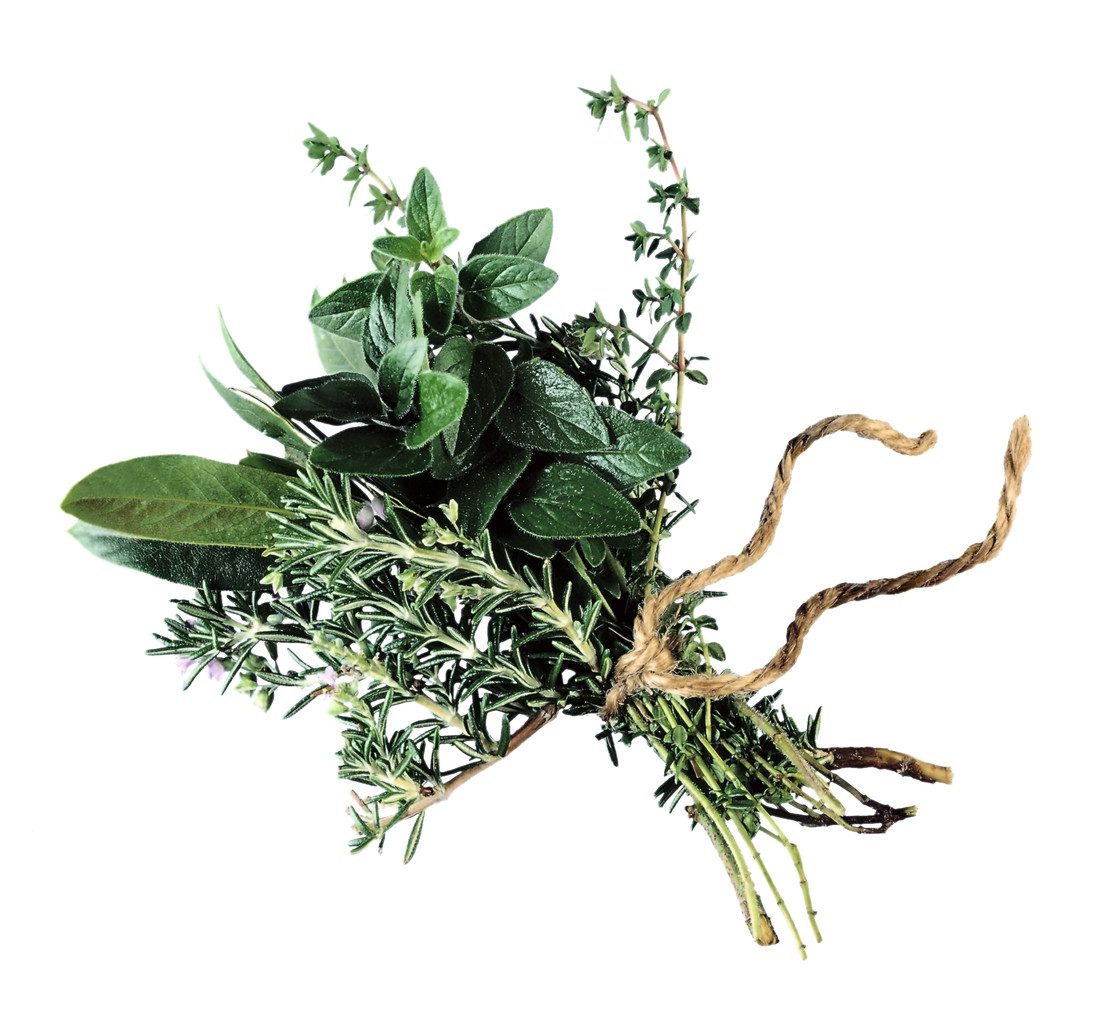
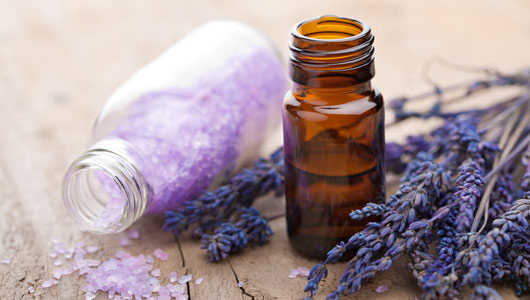 Lavender essential oil is one product I routinely recommend as a staple in one’s medicine chest. This small vial of essential oil, (as opposed to perfume oil), can provide relief to many common complaints, and can even be relied on as first aid in certain situations. Lavender essential oil is distilled most often from Lavendula angustifolia, or “true” lavender, which distinguishes it from hybrid varieties. Like all essential oils, lavender is primarily used as a topical remedy, and not intended for ingestion. It should be kept out of the reach of children.
  Spring is just around the corner, but the month of March has a way of stretching itself out like a lazy cat that doesn’t want to relinquish its cozy spot. The first day of spring is official on the 20th of March, with the Spring Equinox, but the warmth and growth we associate with spring doesn’t make itself readily apparent until April. Essential oils, which are highly concentrated plant extracts, are a natural choice for banishing the last of the winter blues, as what could be more effective than smelling and applying the essence of plants just as the world outside is breaking its dormancy?